The 8 Most Fun Kids Movies of All Time, Ranked
Some kids movies survive because parents keep introducing them. Others survive because kids would find them again anyway. The really special ones have enough mischief, speed, heart, and personality that nobody in the room feels like they are sitting through children’s entertainment. You can put one on after dinner, hear a familiar line from the other room, and somehow end up watching the rest.
That is the standard here on this list. Adventure helps. Great jokes help even more. But the biggest thing is whether the movie makes being young feel exciting rather than simplified. These stories understand imagination, embarrassment, friendship, fear, and the absolute seriousness children can attach to things adults dismiss. These 8 movies are fun because they remember what that age actually feels like.
8
'Paddington 2' (2017)
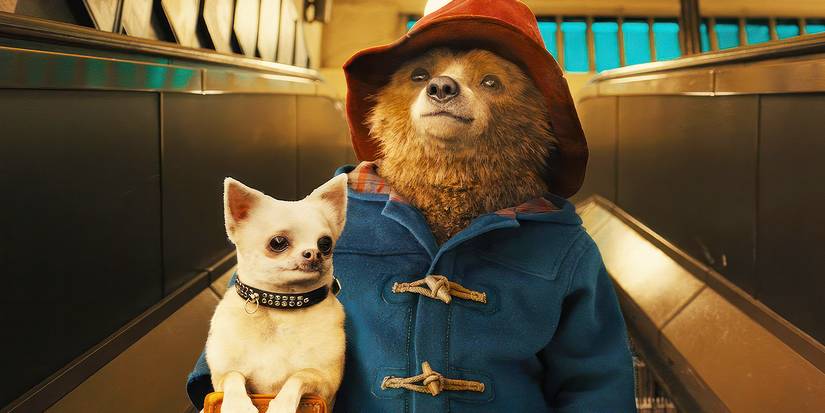
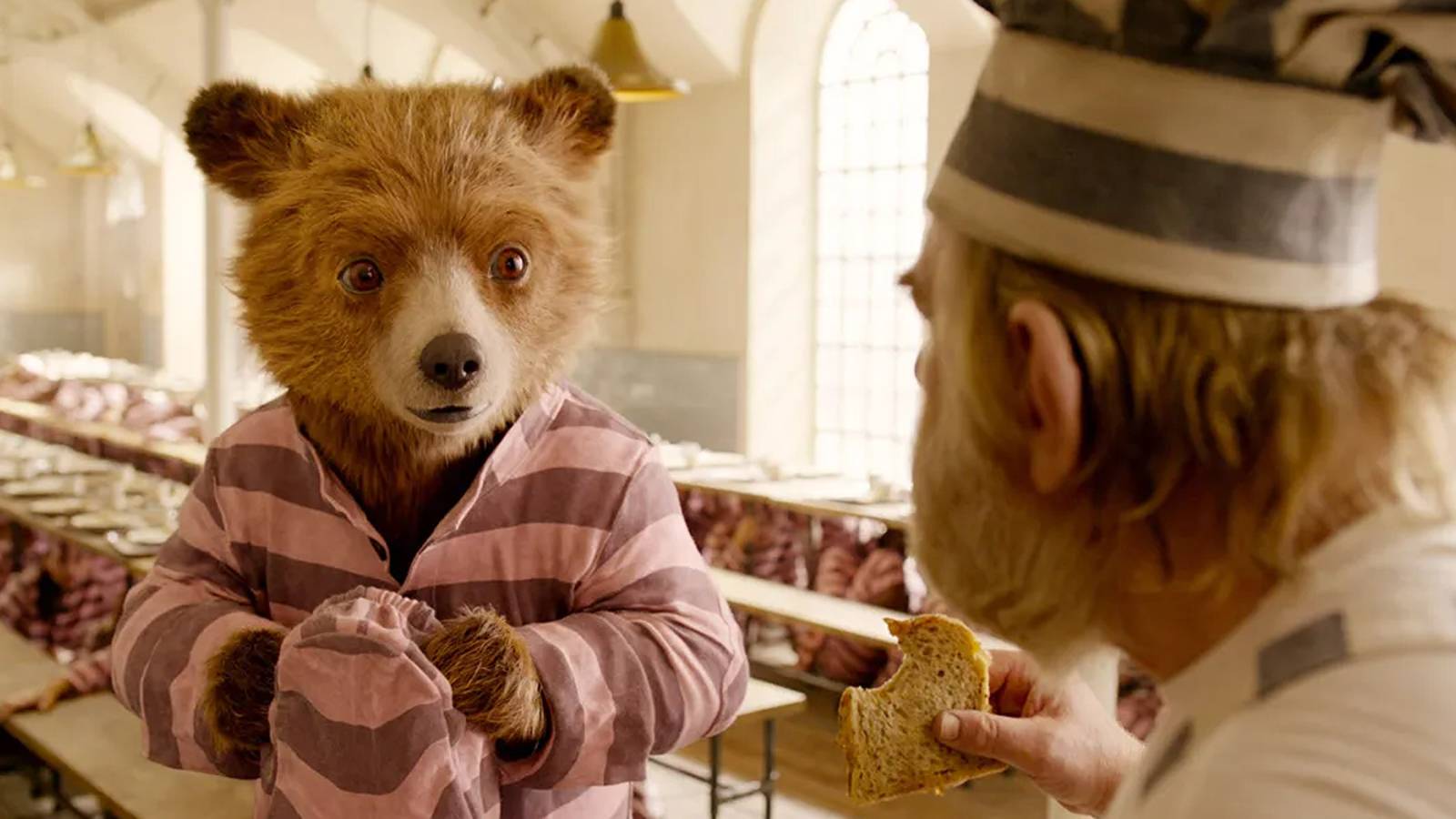
Paddington 2 sends the nicest bear in Britain to prison, which sounds cruel until Paddington starts improving prison life through marmalade sandwiches and basic manners. Paddington (Ben Whishaw) just wants to buy Aunt Lucy (Imelda Staunton) a beautiful pop-up book of London for her hundredth birthday. He gets a job washing windows, saves every coin, and then somehow ends up accused of stealing the book himself.
That is the movie’s whole charm. Paddington assumes people can be decent and keeps behaving accordingly until even hardened inmates begin softening around him. Hugh Grant’s Phoenix Buchanan adds exactly the right amount of silliness as a vain actor using ridiculous disguises to hunt for hidden treasure. The Browns get their own pieces of the investigation, the prison escape turns into proper adventure, and almost every payoff circles back to some tiny detail planted earlier. Children get color, slapstick, trains, and a bear causing chaos. Adults get a surprisingly moving reminder that kindness can actually change the temperature of a room.
7
'The Goonies' (1985)
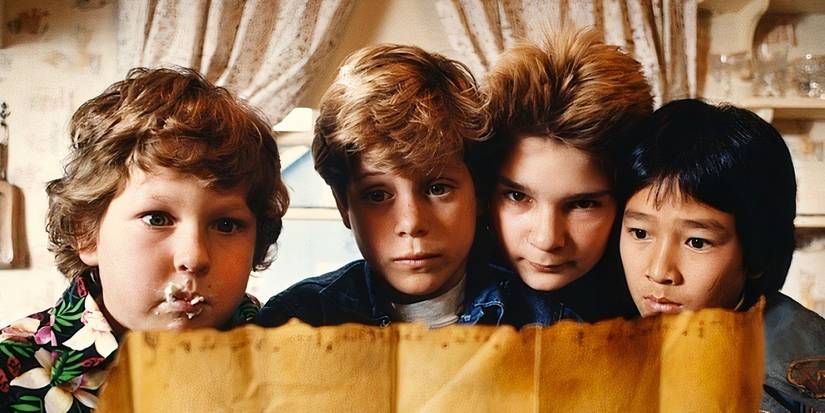
Goon in The Goonies definitely means a very different thing now about 4 decades later. But this is a movie about a group of kids facing the loss of their neighborhood, and they find an old treasure map and do what kids in movies used to do before smartphones ruined everything. They disappear into tunnels beneath the Oregon coast looking for One-Eyed Willy’s fortune. The Goonies feels like childhood imagination given permission to become completely real for one afternoon.
The fun comes from how messy the adventure is. Nobody behaves like a tiny action hero. They yell over each other, panic, argue, make bad decisions, and somehow keep moving. Chunk (Jeff Cohen) gets separated and ends up befriending Sloth (John Matuszak). Data (Ke Huy Quan)’s homemade gadgets work just often enough to justify carrying them. Mikey Walsh (Sean Astin) genuinely believes the treasure can save everyone’s homes, which gives all the pirate nonsense a surprisingly sincere purpose. Then there are waterslides, booby traps, skeletons, the Fratellis, and an actual pirate ship waiting underground. It is loud and scrappy in a way newer family adventures sometimes polish away.
6
'School of Rock' (2003)
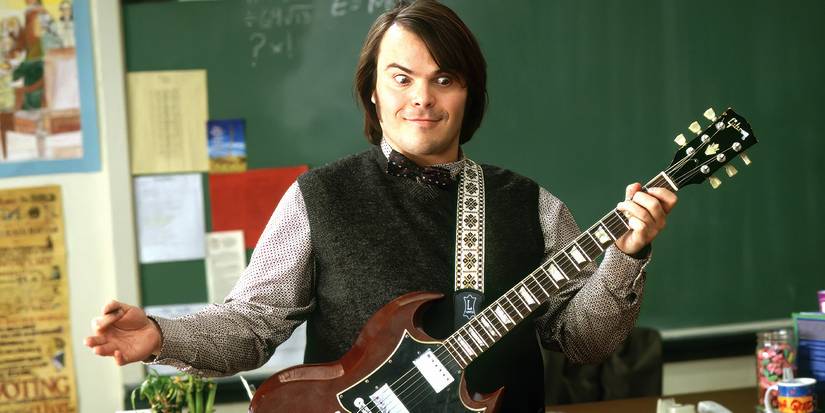
Dewey Finn (Jack Black) gets kicked out of his band, needs rent money, and impersonates his roommate to take a substitute-teaching job at an expensive private school. That should probably end badly. Instead, School of Rock turns a classroom full of overachieving kids into a rock band and somehow makes the fraud feel like the healthiest thing that has happened to half of them.
The movie works because Dewey eventually notices what each kid can actually do. Zack Mooneyham (Joey Gaydos Jr.) writes songs. Freddy Jones (Kevin Clark) attacks the drums. Lawrence (Robert Tsai) finds his place at the keyboard. Tomika (Maryam Hassan) can absolutely sing, even if insecurity has convinced her otherwise. Billy (Brian Falduto) takes fashion extremely seriously. Even the children who are not performing get jobs because this entire ridiculous operation needs managers, security, and lighting. The Battle of the Bands gives everyone a goal, but the real joy is watching a classroom loosen up without becoming stupid. Few kids movies make self-expression feel this contagious. You finish it wanting to start a band even if you cannot play anything.
5
'The LEGO Movie' (2014)
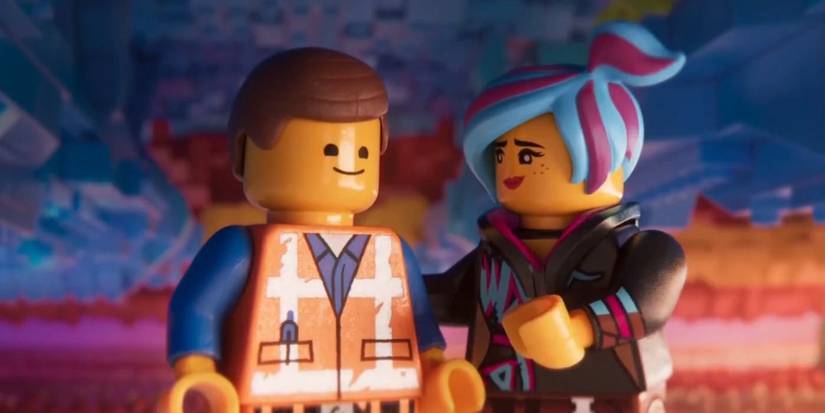
Emmet (Chris Pratt) follows every instruction, likes every popular song, and has somehow managed to live such a perfectly normal life that his coworkers barely remember him. Then he is mistaken for the most important person in the universe. The LEGO Movie takes that joke and runs with it at a speed that feels appropriate for children dumping an entire LEGO bin onto the floor.
Anything can become useful because everything can become something else. A city street can turn into a vehicle. A couch can become part of a getaway. Benny (Charlie Day) spends ages begging to build a spaceship and finally gets his moment with the enthusiasm of someone who has been waiting his entire existence. Batman (Will Arnett) is convinced every idea he has is brilliant, while Wyldstyle (Elizabeth Banks) spends much of the movie wondering why destiny apparently chose Emmet. Beneath all the visual chaos is a very simple pleasure familiar to anyone who played with LEGO as a kid. Rules are useful until imagination decides otherwise.
Collider Exclusive · Oscar Best Picture Quiz
Which Oscar Best Picture
Is Your Perfect Movie?
Parasite · Everything Everywhere · Oppenheimer · Birdman · No Country
Five Oscar Best Picture winners. Five completely different visions of what cinema can be — and what it can do to you. One of them is the film that was made for the way your mind works. Ten questions will figure out which one.
🪜Parasite
🌀Everything Everywhere
☢️Oppenheimer
🐦Birdman
🪙No Country for Old Men
FIND YOUR FILM →
01
What kind of film experience do you actually want?
The best movies don't just entertain — they leave something behind.
ASomething that pulls the rug out — that makes me think I'm watching one kind of film and then reveals I'm watching another entirely.
BSomething overwhelming — funny, sad, absurd, and genuinely moving, all at once.
CSomething grand and weighty — a film that makes me feel the full scale of what I'm watching.
DSomething formally daring — a film that pushes what cinema can even do.
ESomething lean and relentless — pure tension with no wasted frame.
NEXT QUESTION →
02
Which idea grabs you most in a film?
Great films are driven by a central obsession. What's yours?
AClass, inequality, and what people are willing to do when desperation meets opportunity.
BIdentity, family, and the chaos of trying to hold your life together when everything is falling apart.
CGenius, moral responsibility, and the catastrophic weight of a decision you can never take back.
DEgo, legacy, and the terror of becoming irrelevant while you're still alive to watch it happen.
EEvil, chance, and whether moral order actually exists or if we just tell ourselves it does.
NEXT QUESTION →
03
How do you like your story told?
Form is content. The way a story is shaped changes what it means.
AGenre-twisting — I want it to start in one lane and migrate into something completely different.
BMaximalist and genre-blending — comedy, action, drama, sci-fi, all in one ride.
CEpic and non-linear — cutting between timelines, building a mosaic of cause and consequence.
DA single unbroken flow — I want to feel like I'm living it in real time, no cuts to safety.
ESpare and precise — every scene doing exactly what it needs to do and nothing more.
NEXT QUESTION →
04
What makes a truly great antagonist?
The opposition defines the protagonist. What kind of opposition fascinates you?
AA system — invisible, structural, and almost impossible to fight because it has no single face.
BThe self — the ways we sabotage, abandon, and fail the people we love most.
CHistory — the unstoppable momentum of events that no single person can stop or redirect.
DThe industry — the machinery of culture that chews up talent and spits out irrelevance.
EPure, implacable evil — a force so certain of itself it becomes almost philosophical.
NEXT QUESTION →
05
What do you want from a film's ending?
The final note is the one that lingers. What do you want it to sound like?
AShock and inevitability — a conclusion that recontextualises everything that came before it.
BEarned emotion — I want to cry, laugh, and feel genuinely hopeful, even if the world is a mess.
CDevastation and grandeur — an ending that makes me sit in silence for a few minutes after.
DAmbiguity — something that leaves enough open that I'm still thinking about it days later.
EBleakness — an honest refusal to pretend the world is tidier than it actually is.
NEXT QUESTION →
06
Which setting pulls you in most?
Where a film takes place shapes everything — mood, stakes, what's even possible.
AA gleaming modern city with a hidden underside — beauty masking rot, wealth masking desperation.
BA collapsing suburban life that opens onto something infinite — the multiverse of a single ordinary person.
CThe corridors of power and science at a world-historical turning point — where decisions echo for decades.
DThe grimy, alive chaos of New York and Hollywood — fame as both destination and trap.
EVast, indifferent landscape — desert and highway where violence arrives without warning or reason.
NEXT QUESTION →
07
What cinematic craft impresses you most?
Every great film has a signature — a technical or artistic element that makes it unmistakable.
AProduction design and mise-en-scène — every frame composed to carry meaning beneath the surface.
BEditing and tonal control — the ability to move between registers without losing the audience.
CScore and sound design — music that becomes inseparable from the dread and awe of what you're watching.
DCinematography as performance — the camera not recording events but participating in them.
ESilence and restraint — what's left unsaid and unshown doing more work than any dialogue could.
NEXT QUESTION →
08
What kind of main character do you root for?
The protagonist is the lens. Who you choose to follow says something about you.
ASomeone smart and resourceful who makes increasingly dangerous decisions under pressure.
BSomeone overwhelmed and ordinary who turns out to be capable of something extraordinary.
CA brilliant, tortured figure whose gifts and flaws are inseparable from each other.
DA self-destructive artist whose ego is both their superpower and their undoing.
EA quiet, principled person trying to make sense of a world that has stopped making sense.
NEXT QUESTION →
09
How do you feel about a film that takes its time?
Pace is a choice. Some films sprint; others let tension accumulate slowly, deliberately.
AI love a slow build when I know the payoff is going to be seismic — patience for a devastating reveal.
BGive me relentless momentum — I want to feel breathless and emotionally spent by the end.
CEpic runtime doesn't scare me — if the material demands three hours, give me three hours.
DI want it to feel propulsive even when nothing is technically happening — restless energy throughout.
EDeliberate and unhurried — I want dread to accumulate in the spaces between the action.
NEXT QUESTION →
10
What do you want to feel walking out of the cinema?
The best films leave a mark. What kind of mark do you want?
AUnsettled — like I've just seen something I can't fully explain but can't stop thinking about.
BMoved and energised — like the film reminded me what actually matters and gave me something to hold onto.
CHumbled — like I've been in the presence of something genuinely important and overwhelming.
DExhilarated — like I've just seen cinema doing something it's never quite done before.
EHaunted — like a cold, quiet dread that stays with me for days.
REVEAL MY FILM →
The Academy Has Decided
Your Perfect Film Is…
Your answers have pointed to one Oscar Best Picture winner above all others. This is the film that was made for the way your mind works.
Parasite
You are drawn to films that operate on multiple levels simultaneously — that begin in one genre and quietly, brilliantly migrate into another. Bong Joon-ho's Parasite is a film about class, desire, and the architecture of inequality that manages to be darkly funny, deeply suspenseful, and genuinely shocking across a single extraordinary running time. Your instinct is for cinema that hides its true intentions until the moment it's ready to reveal them. Parasite is exactly that — a film that rewards close attention and punishes assumptions, right up to its devastating final image.
Everything Everywhere All at Once
You want it all — and this film gives you all of it. The Daniels' Everything Everywhere All at Once is one of the most maximalist films ever made: action comedy, multiverse sci-fi, family drama, existential crisis, and a genuinely earned emotional core that sneaks up on you amid the chaos. You are someone who responds to ambition, who doesn't want cinema to choose between being entertaining and being meaningful. This film refuses that choice entirely. It is overwhelming by design, and its overwhelming nature is precisely the point — because the feeling of being crushed by infinite possibility is exactly what it's about.
Oppenheimer
You are drawn to cinema on a grand scale — films that understand history not as a backdrop but as a force, and that place their characters inside that force and watch what happens. Christopher Nolan's Oppenheimer is a film about the terrifying gap between what we can do and what we should do, told with the full weight of one of the most consequential moments in human history behind it. You want your films to feel important without feeling self-important — to earn their ambition through sheer craft and the gravity of their subject. Oppenheimer does exactly that. It is enormous, complicated, and refuses easy comfort.
Birdman
You are drawn to films that foreground their own construction — that make the how of the filmmaking part of the what it's about. Alejandro González Iñárritu's Birdman, shot to appear as a single continuous take, is cinema examining itself through the cracked mirror of a fading actor's ego. You respond to formal daring, to the feeling that a film is doing something that probably shouldn't be possible. Michael Keaton's performance and Emmanuel Lubezki's restless camera create something genuinely unlike anything else — a film that is simultaneously about creativity, relevance, self-destruction, and the impossibility of ever truly knowing if your work means anything at all.
No Country for Old Men
You are drawn to cinema that trusts silence, that refuses to explain itself, and that treats dread as a form of meaning. The Coen Brothers' No Country for Old Men is a film about the arrival of a new kind of evil — implacable, arbitrary, and utterly indifferent to the moral frameworks we use to make sense of the world. It is one of the most formally controlled films ever made, and its controlled restraint is what makes it so terrifying. You want your films to haunt you, not comfort you. You are not interested in resolution if resolution would be dishonest. No Country for Old Men is honest in a way that most cinema never dares to be.
↻ RETAKE THE QUIZ
4
'The Incredibles' (2004)
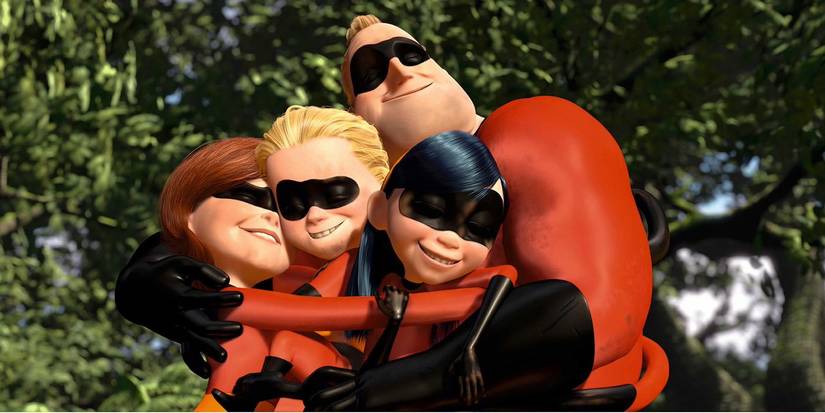
The Parr family has superpowers and still spends a surprising amount of time dealing with things every family recognizes. Bob Parr (Craig T. Nelson) hates his job. Helen Parr (Holly Hunter) is trying to keep everyone functioning. Violet Parr (Sarah Vowell) wants to disappear socially and can literally do it. Dash Parr (Spencer Fox) is told to stop showing off even though running ridiculously fast is the thing he enjoys most. The Incredibles understands that family life remains family life even when someone can lift a car.
That makes the action much more fun because everybody fights like themselves. Helen stretches around problems. Dash turns danger into a race. Violet has to become confident enough to protect people instead of hiding. Bob discovers that sneaking around on secret missions is much less exciting once the whole family gets dragged into the consequences. Syndrome (Jason Lee) brings genuine danger, but the movie never forgets to be funny. Edna Mode (Brad Bird) can explain costume design like national security, and Frozone (Samuel L. Jackson) searching for his super suit during a citywide emergency is still one of the most believable marriage arguments ever written.
3
'Ratatouille' (2007)
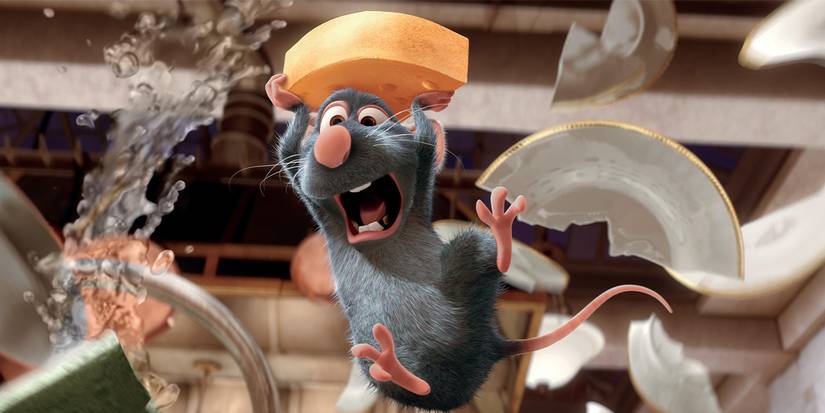
Remy (Patton Oswalt) has better taste than almost everyone around him. The problem is that he is a rat living in Paris, and restaurants are generally not open-minded about that résumé. Ratatouille gets around this problem by having Remy hide beneath Linguini (Lou Romano)’s chef hat and control his movements by pulling his hair, which is completely absurd and somehow becomes normal within minutes.
From there, the movie turns cooking into play. Remy darts through the kitchen correcting sauces while Linguini tries desperately to look competent. Colette Tatou (Janeane Garofalo) teaches him how unforgiving a professional kitchen can be. Skinner (Ian Holm) becomes increasingly convinced something strange is happening and is absolutely right. Then Anton Ego (Peter O'Toole) arrives looking like a man who has never enjoyed lunch in his life. His reaction to one simple plate of ratatouille gives the movie its emotional center because everybody understands the feeling of food suddenly bringing back a place or person. Kids can enjoy the chase scenes and kitchen chaos. The rest of us may leave weirdly motivated to cook something.
2
'Back to the Future' (1985)
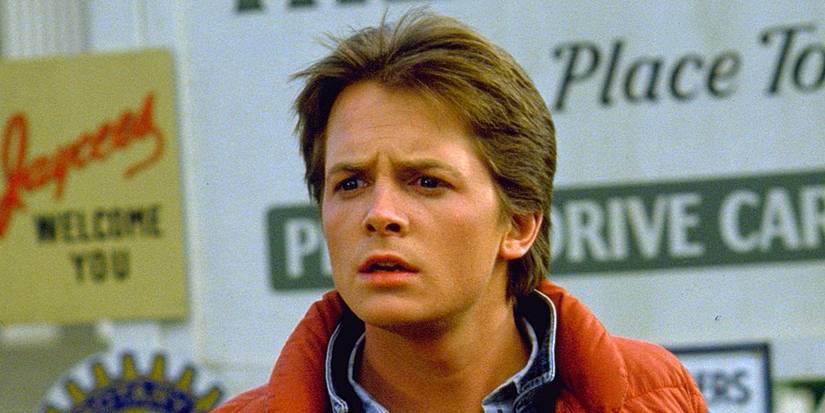
Marty McFly (Michael J. Fox) gets into a DeLorean with a mad scientist, travels from 1985 to 1955, and immediately creates the worst possible problem by accidentally interfering with his parents falling in love. Back to the Future barely gives you time to think about how strange that is because the movie keeps finding another complication. And it’s not just fun for kids.
Watching Marty meet teenage versions of his parents is still hilarious. George McFly (Crispin Glover) is even more awkward than Marty imagined, Lorraine Baines (Lea Thompson) develops a crush on her own future son, and Biff Tannen (Thomas F. Wilson) somehow manages to be awful in every decade available to him. Doc Brown (Christopher Lloyd) has to solve time travel using 1955 technology while Marty races toward the exact lightning strike that can send him home. The clock-tower finale remains ridiculously satisfying because so many moving pieces finally line up at once. Children get a time machine, skateboards, rock music, and adventure. Adults get the much stranger experience of imagining their parents before they were parents. That combination never really gets old.
1
'Toy Story' (1995)
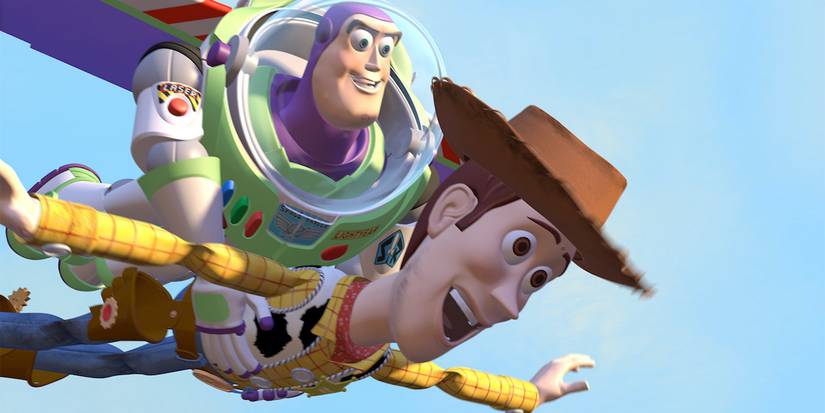
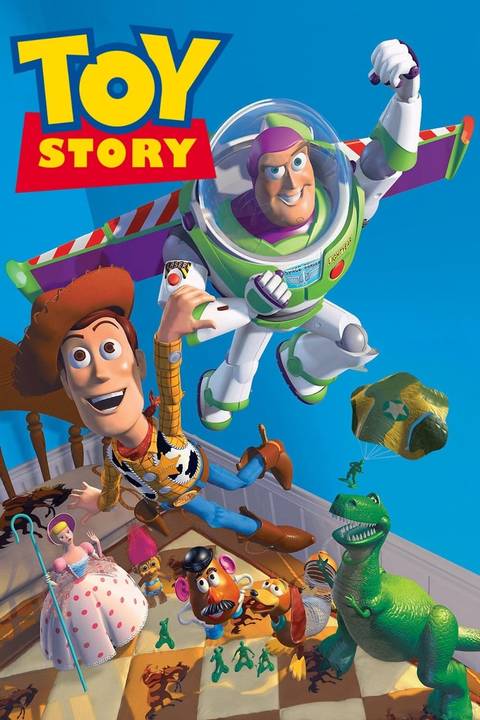
Toy Story is to kids what the Night at the Museum would be to history geeks. The idea is almost unfairly good. Toys come alive when children leave the room, and their biggest concern is whether the next birthday present will replace them. Toy Story turns that childhood fantasy into a friendship story between Woody (Tom Hanks), who is terrified of losing his place, and Buzz Lightyear (Tim Allen), who does not yet realize he is a toy.
Their rivalry makes the whole movie move. Buzz walks into Andy Davis (John Morris)’s room believing he is an actual Space Ranger. Woody watches everyone adore him and handles the situation with the emotional maturity of someone being replaced at work. Then both toys get stranded, land in Sid Phillips (Erik von Detten)’s terrifying house, survive Pizza Planet, and have to stop fighting long enough to get back to Andy. The jokes still work because the personalities are so clear. Rex (Wallace Shawn) worries constantly. Hamm (John Ratzenberger) is sarcastic. Mr. Potato Head (Don Rickles) seems permanently irritated with everybody. But the real reason Toy Story stays number one is simpler. It takes the secret life every kid once imagined for their toys and makes that world feel completely believable.
Release Date
November 19, 1995
Runtime
81 minutes
Director
John Lasseter
Writers
John Lasseter, Andrew Stanton, Joss Whedon, Alec Sokolow, Joel Cohen, Joe Ranft, Pete Docter


- Tim Allen Buzz Lightyear (voice)