

The best resistance bands in the UK to improve mobility and strength on a budget, tested
Loop and tube bands are cheaper than a gym membership and take up less space than weights – our exercise buff put 18 to the test
Movement breeds motivation, not vice versa. If you want a fast ticket to a regular training habit, you need to remove the friction between you and that first rep. When the sofa looks more appealing than getting a sweat on, it pays to have a simple, quick, convenient way to kick into workout mode. That’s where resistance bands come in.
Portable, lightweight, compact and convenient, the right set of bands could be the path of least, er, resistance to easy home workouts and reaching your fitness goals.
Cheaper than a pricey gym membership and less clutter than a set of dumbbells, the best resistance bands can be deployed for everything from weights-free workouts to mobility training and physio exercises, then otherwise stashed happily in a drawer.
From loop bands that get your glutes firing to full-body training tube bands, here’s my pick of the best resistance bands you can buy right now.
At a glance
- Best resistance bands overall
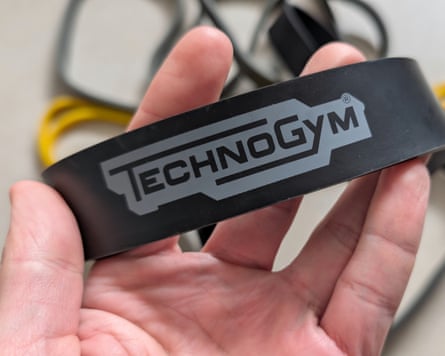
TechnogymPower bands£95 at Technogym - Best budget resistance bands for beginners
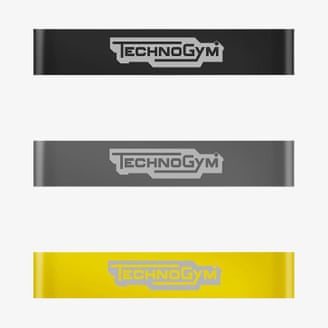
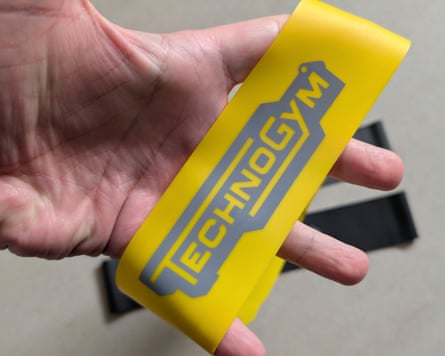
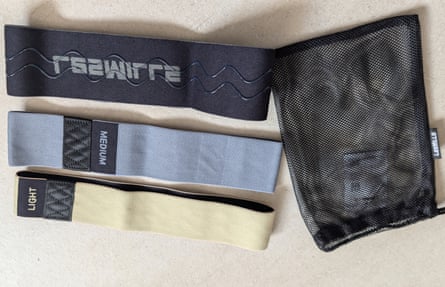
TechnogymLoop bands set£35 at Technogym - Best resistance band set for lower-body work
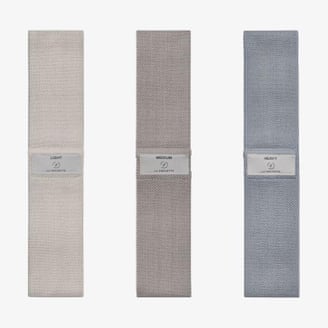
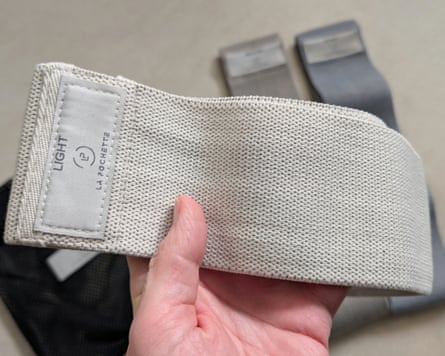
La PochetteResistance band set£30 at La Pochette - Best resistance band for lower body
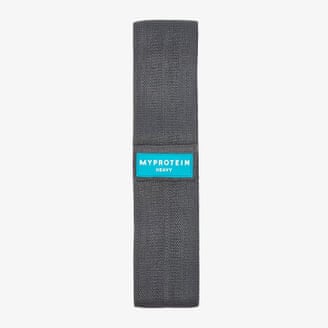
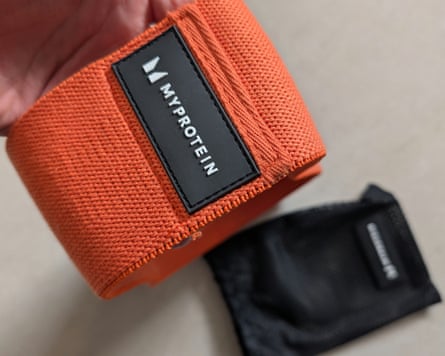
MyproteinBooty band£12.99 at Myprotein - Best resistance band for yoga and pilates
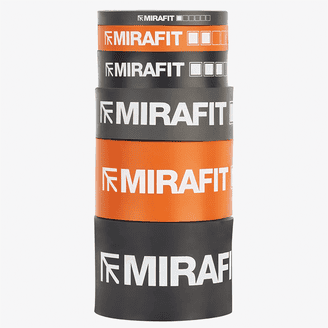
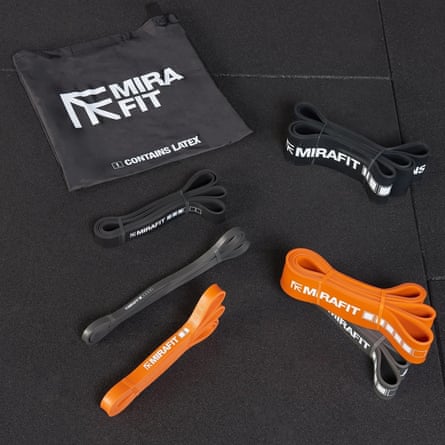
MirafitResistance band set£74.95 at Mirafit
Why you should trust me
I’ve spent two decades testing the latest fitness gear and home exercise kit while training for more than 60 marathons and ultramarathons. I train most days, sometimes twice, regularly plodding more than 50 miles a week, occasionally running solo marathons and working on general strength. And all the while, I’m testing running shoes and other kit.
At 47, strength and mobility are increasingly important. I need loose hips and strong glutes to keep running those miles – and tying the laces on those running shoes. If there’s anyone who can benefit from easy at-home resistance band workouts, it’s me.
How I tested
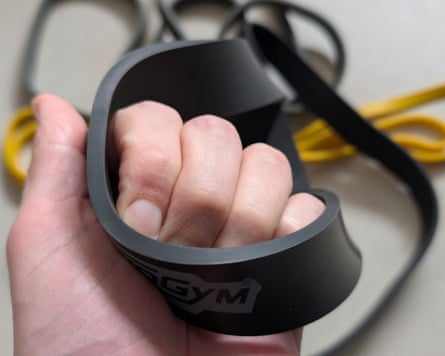
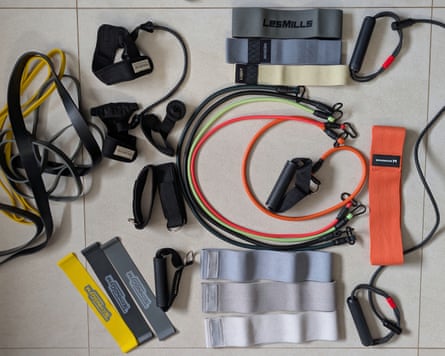
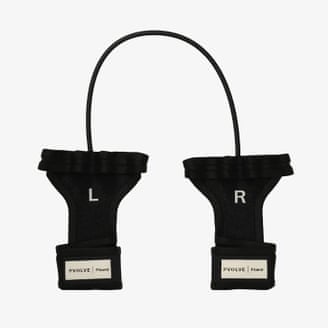
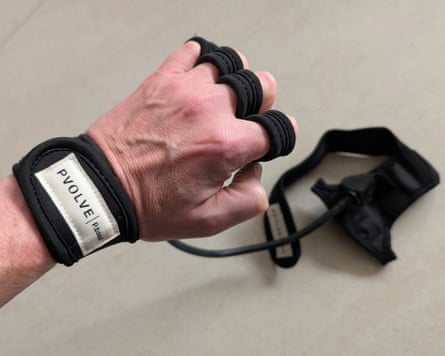
I spent a solid month testing 18 sets of the latest and most popular resistance bands across different styles, prices and brands, including Les Mills, Technogym, Peloton and Pvolve.
I used each set of bands for their intended workouts, working them into my pre-run warm-ups and using them for assisted weights at my gym, plus bodyweight and mobility sessions at home. I even tried a bit of YouTube yoga, workout kryptonite for a tight-hamstring runner who can’t touch his toes.
After all that (and a bit of a sit down), I rated the bands on the quality of the materials, resistance range and versatility, while also considering durability, portability and value.
After testing, the resistance bands were either returned or donated to local charity shops.
The best resistance bands

The best of the rest
What you need to know
What are the different types of resistance bands, and what do they do?
Some bands are more versatile than others, but there isn’t a single type of resistance band that will cover all your training needs. It’s important to identify your workout goals before you invest. Are you aiming to add extra resistance to your drills, work on flexibility and mobility, or replace bulky free weights?
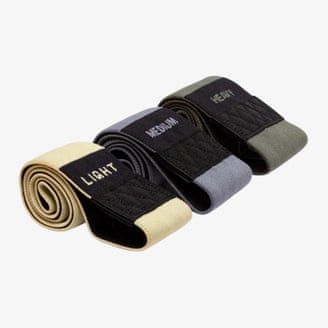
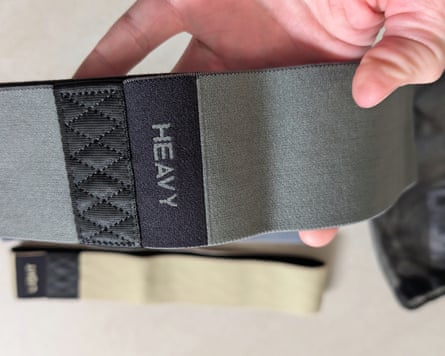
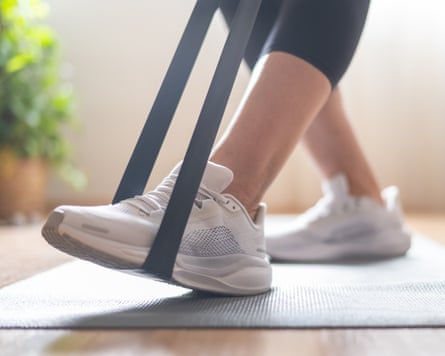
Loop bands: these are flat, closed-loop bands that come in varying levels of thickness and grades of resistance. They’re light, compact, brilliantly portable and can be used for warm-ups and muscle activation (great for glutes), as well as adding an extra challenge to regular bodyweight or weighted drills and mobility exercises such as lateral walks. They’re good at targeting muscles with controlled movement. Longer loop bands can be used for assisted pull-ups, too.
Mini bands: these are smaller continuous-loop bands with resistance ranging from light and easy to very difficult. These work best for muscle activation, stability and control rather than heavy strength. They’re good for glute firing, hip stability, rehab and warm-ups.
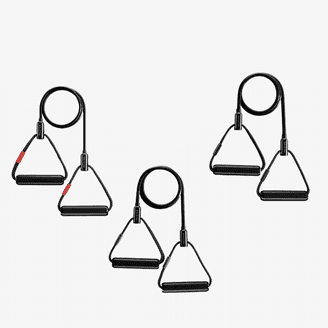
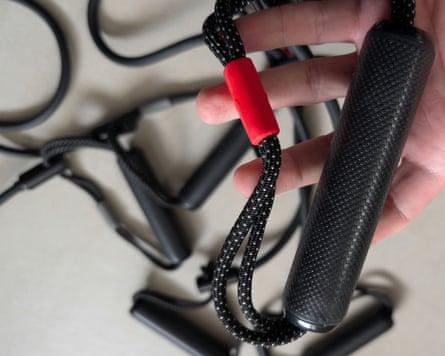
Tube bands: these are rubber tubes with handles on both ends. They’re great for full-body workouts, often coming colour-coded by resistance level. The handles make them better for rows, presses and pulls, too.
Therapy bands: unlike loop bands or tube bands, these flat, elastic resistance strips are mainly used for rehab, mobility and light strength work. They provide progressive tension for controlled movements and are good aids for yoga and pilates.
What are the benefits of resistance bands?
“Resistance bands are a useful tool for increasing muscle awareness during exercise,” says Caroline Bragg, master pilates trainer at Third Space. “They add tension to a movement, helping people develop better proprioception, coordination and understanding of how their body moves.”
“One of their biggest strengths is improving alignment and movement quality. For example, placing a mini band around the knees during a squat can encourage the knees to track correctly and help recruit the appropriate muscles throughout the movement.”
Resistance bands help us to work concentrically and eccentrically: concentric work builds our ability to create force, while eccentric work teaches us to control and absorb it, says Marie Grujicic, founder of virtual yoga studio Awespire by MG. “Training both creates stronger, more resilient and adaptable muscles. As I often say, we don’t just want strong muscles, we want ‘smart’ muscles that can respond to the way we move, and bands are the perfect tool to support it.”
They also play a significant role in rehab from injury. “The key difference between free weights and resistance bands is that bands provide variable resistance,” says James Stirling, personal trainer, running coach and a Technogym wellness ambassador. “That can be good for beginners or those coming back from injury. The user has full control of how much resistance they apply to the movement being performed – as the band stretches, the tension increases.”
How effective are resistance bands?
“Very effective!” says Grujicic. “It’s remarkable how such a simple, travel-friendly piece of equipment can develop strength and stability without placing heavy loads on the joints.”
Bands can work both slow-twitch muscle fibres, which support endurance and posture control, and fast-twitch fibres, which are important for strength, power and quick reactions.
“They’re incredibly versatile because by changing the way you use them: resistance, tempo, range or direction, you can train strength, power, stability and mobility. That versatility is why they’re one of my favourite tools for overall wellness,” adds Grujicic.
Provided they’re used correctly, resistance bands can be an effective alternative to moving heavy metal at the gym.
Studies show resistance band training can help to improve lower-limb strength, balance and flexibility, and to build explosive power, sprinting prowess and agility in athletes. But you need to get your reps in.
“Bands can also create muscle fatigue when used with higher repetitions, which may contribute to some muscle growth and endurance adaptations,” says Bragg.
“However, for developing significant strength or muscle, traditional resistance training with equipment such as dumbbells, kettlebells or machines will produce better results because greater loads can be applied.”
For more ways to get fit with the Filter:
The best home exercise kit, chosen by personal trainers
The best treadmills for your home
The best cross trainers and ellipticals
Kieran Alger is a running, fitness and health journalist who splits his time between testing, training and tapping out reviews. You’ll regularly find him in the gym testing training equipment or running down lofty challenges while wearing three watches, brand new running shoes and a whole host of kit that needs thorough investigation
Originally published by theguardian.com. Syndicated material does not necessarily reflect the views of Vogue British.