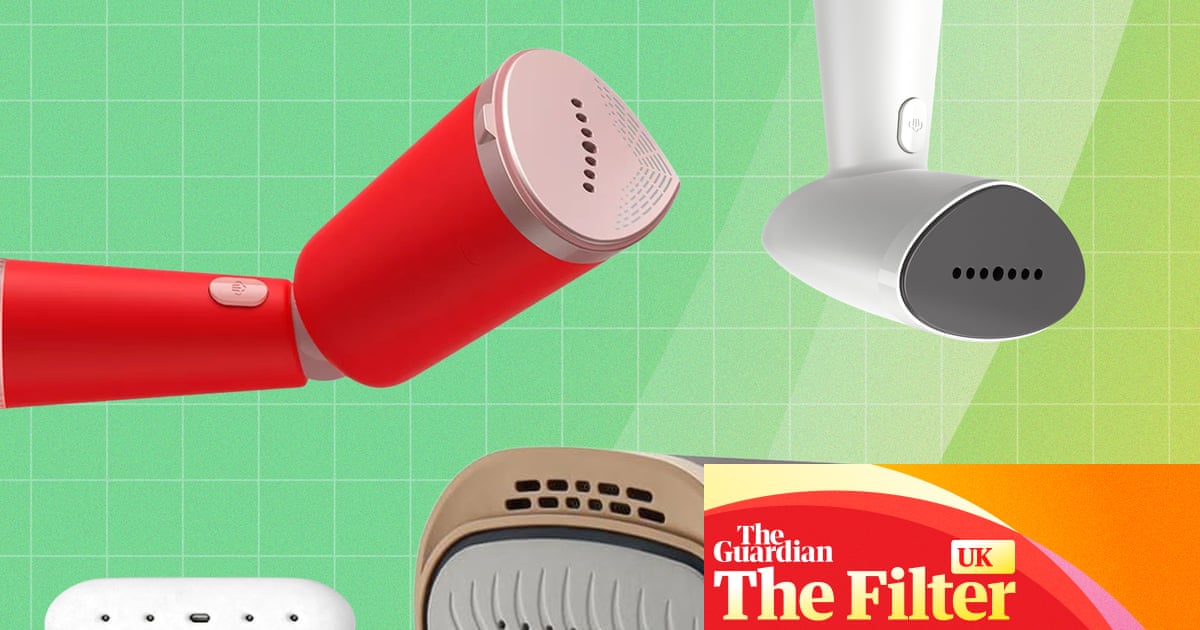
Time to ditch the iron? I spent six months testing the best clothes steamers – here are my favourites
Steam through the laundry pile with our expert’s top picks for smoothing creases on cotton, linen, silk and more
I grew up in a household where everything was ironed. And I mean everything: tea towels, pyjamas, bath mats. Perhaps as a result of watching my mother (and yes, it was always my mother) spend hours every week standing at an ironing board, I revolted. My heart sinks every time I have to go into battle with an iron. But how do we banish irons while still getting linen trousers to look crisp? I present the clothes steamer.
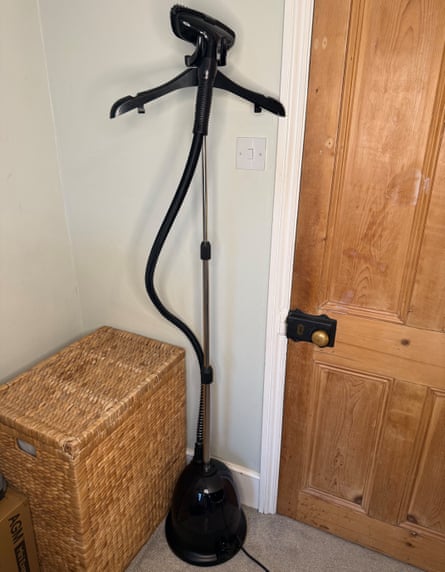
Clothes steamers use heat and moisture rather than pressure to smooth fabric. A small onboard tank heats water into a steady flow of steam, which you run over garments while they hang. Instead of pressing fibres flat like an iron, the steam causes them to swell and relax, releasing creases without the need for an ironing board.
Because the fabric isn’t pressed directly against the hot surface of an iron, steamers can be gentler on delicate materials such as silk, chiffon and wool. They’re also useful for refreshing garments between washes: a blast of steam can help reduce odours and restore the shape of fabrics that have been crushed in wardrobes or suitcases.
I was already a fan of them on a personal level, and now I’ve taken that enthusiasm professionally by spending the past six months testing to find the best clothes steamers for the Filter. Here’s what I found.
At a glance
- Best clothes steamer overall
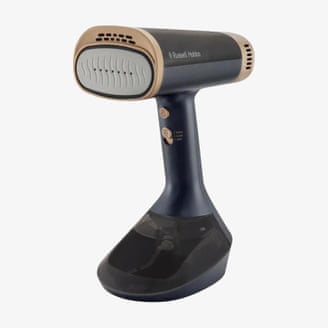
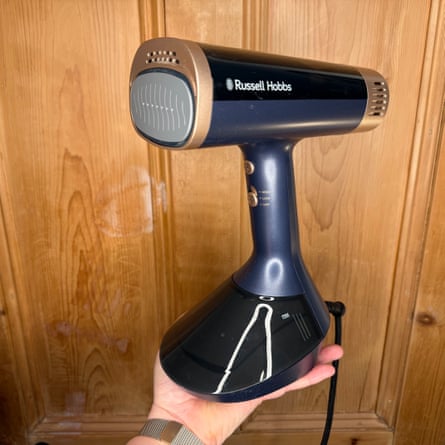
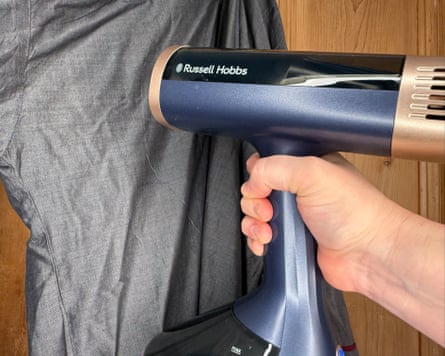
Russell HobbsGenie VacuSteam£64.93 at Robert Dyas - Best budget clothes steamer
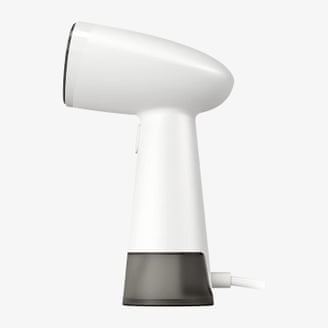
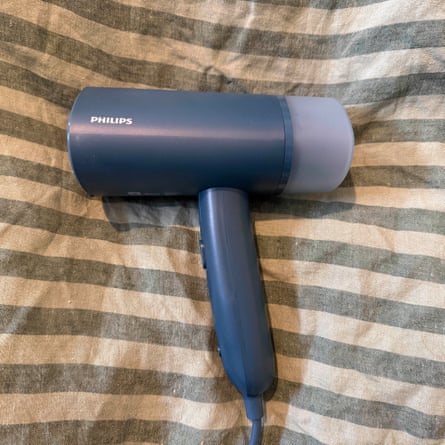
Philips1000 Series handheld steamer£24.99 at Amazon - Best clothes steamer for travel
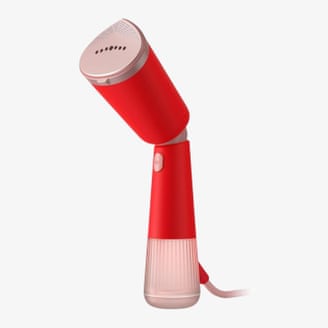
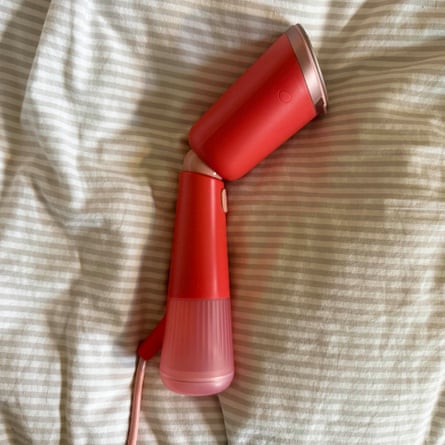
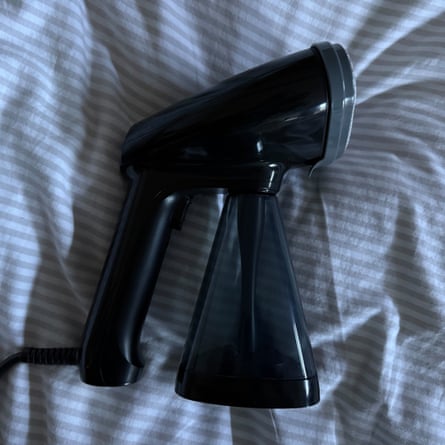
LakelandFoldable steamer£34.99 at Lakeland - Fastest clothes steamer
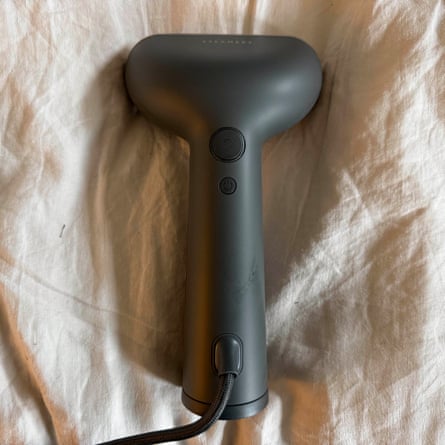
SteameryCirrus 3 iron steamer£150 at Selfridges - Best steamer for precision
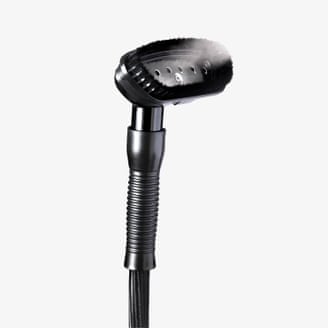
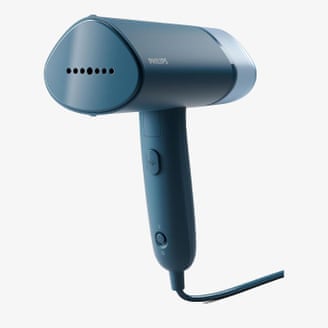
Philips5000 Series handheld steamer STH5020/40£49.99 at Amazon
Why you should trust me
I’ve been a journalist for more than 20 years and have spent the past five specialising in hands-on product testing. In that time, I’ve reviewed everything from mattresses and trampolines to coffee machines and dining tables, testing each in real homes rather than controlled showrooms.
That experience has made me sceptical of marketing jargon and overblown claims. I test products as consumers actually use them and I measure what matters. For this feature, that meant timing heat-up speeds, tracking energy consumption, measuring soleplate temperatures and assessing durability alongside day-to-day usability.
I also use clothes steamers fairly regularly at home, so I’m interested not just in performance, but also in whether they genuinely save time and effort.
How I tested
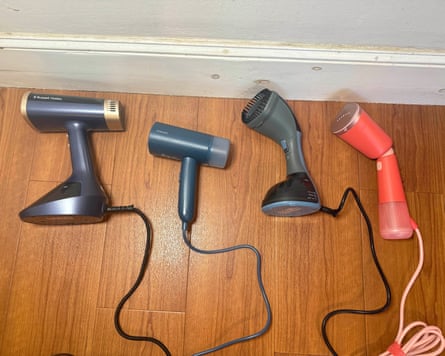
I tested 24 clothes steamers in my home, on my own clothes and bed linen. My three children have a steady stream of school shirts and trousers that need to be pressed every week, so this took care of testing how the clothes steamers performed on cotton – and whatever they’re making school-uniform trousers out of these days.
I also tested the clothes steamers on more delicate fabrics. Crumpled linen trousers, silk dresses and formal suits were all unearthed from the depths of my wardrobe to be de-creased. During testing, I looked at how easily creases were released while using the steamer according to the instructions. I was also keen to compare each unit’s ease of use: no dripping or overheated handles escaped my notice. I also noted the onboard tank capacity and how long it lasted before needing to be refilled.
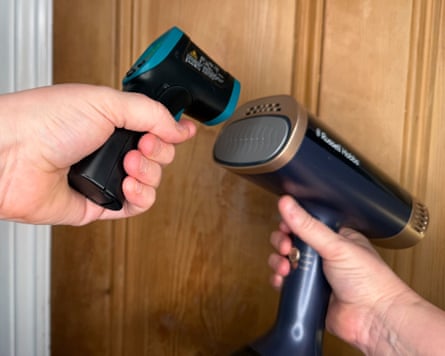
Here at the Filter, we are geekily obsessed with the stats during product testing, so I got my trusted infrared thermometer and stopwatch out to measure how long each steamer took to heat up and the temperature the soleplate reached. I also measured each steamer’s run time: how long it could operate on a full tank of water before needing a refill.
On a practical level, I also wanted to see how durable the clothes steamers were – after all, many of us will be chucking them into suitcases. So I dropped each steamer from waist height on to a carpeted floor to see if they survived the impact.
I returned several of the clothes steamers to the brands that supplied them for testing. Any steamers that weren’t sent back were donated to the Salvation Army.
The best clothes steamers in 2026
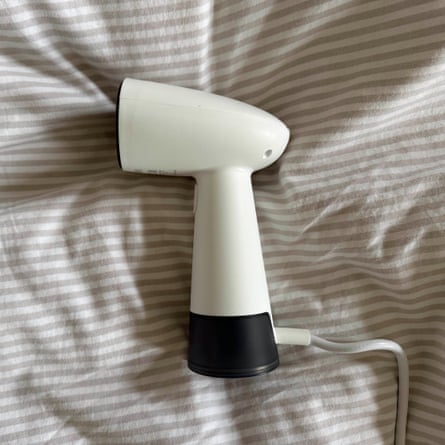
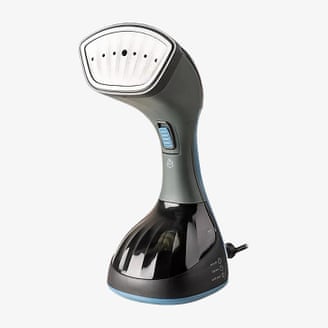
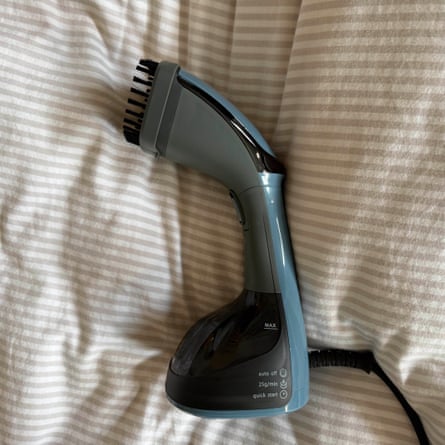
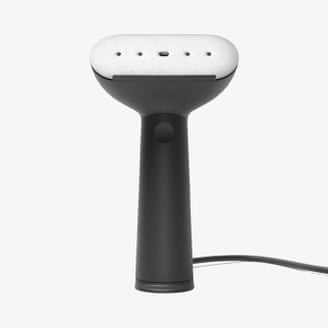
The best of the rest
What you need to know
How to use a clothes steamer
Although all models vary, there is one thing all steamers have in common: first, you’ll need to fill the tank. Every model I tested has a detachable tank with a fill line, which you can take to a tap to top up. After clicking the tank back in place, you plug in your steamer (I couldn’t find a decent cordless steamer for love nor extensive research during testing). Most steamers will then require you to switch it on manually, although a few will start heating straight away. For safety, I’d prefer a manual on/off button, which gives you more control over when to start steaming.
Depending on what you’re steaming, you then hang the garment from a hook or rail and swipe the steamer across the fabric. Make sure it’s hanging freely to give you better access to the garment and to ensure the fabric is hanging naturally as the creases release. This will help prevent you from steaming in new creases. For delicate fabrics or those with printed designs, you may want to steam it inside out. Steaming the reverse side can help protect the outer sheen on silk and preserve the colour of the dyes on printed designs, although always check the garment’s care label and the steamer instructions before you begin.
How close you should hold the steamer to the garment depends on the fabric and the power you’re working with. I’d start at 4cm out and then gradually move closer if the wrinkles aren’t relaxing. Use your free hand to hold the fabric taut as you glide the steamer head across it – this helps to relax the fibres.
You want to be continually moving rather than hovering in one place, and I recommend starting at the top of the garment and then moving down. The steam rises, so using downward strokes works best.
Steaming vs ironing
Irons and clothes steamers work in different ways and give different results. You apply irons directly to garments to press and reshape fabric, giving a crisp finish, which is great for pleats and pressing seams. But steamers use heat and moisture to swell the fibres in the fabric, which relaxes them and releases wrinkles. Some steamers do have a heated soleplate, which can be directly applied to the fabric to press it, but others rely on hot jets of steam.
Steaming might not make a shirt look as “polished” – for a particularly crisp finish or creases pressed into fabric, you’ll want to deploy an iron. But garment steamers can be useful for delicate fabrics that you might be hesitant to use direct heat on, such as silk and knitwear.
Another factor to consider is that irons require an ironing board and the space to store both items. Many steamers are a lot more compact and need no other equipment, except perhaps a regular clothes hanger.
How should I steam delicates?
While cotton generally tolerates higher heat and steam to release creases, other fabrics require different treatments – but always check the care label.
Linen seems to crease if you even look at it. It’s best to steam it when it’s still slightly damp. Linen fibres are strong, so the fabric generally handles higher heat and plenty of steam. You might find you have to steam both sides and pull the fabric taut for stubborn wrinkles.
Wool is super sensitive to moisture and heat, and it is liable to shrink. Use a low heat and plenty of patience, and the moisture should release the fibres nicely. Avoid placing the soleplate directly on the fabric.
Cashmere needs a low heat, and you only want to use a little bit of steam as the moisture will quickly distort the fabric. A light touch is the order of the day with this fine, delicate and expensive fibre.
Silk is super delicate, so heat can mark it. Keep the temperature low, turn your garment inside out, and keep the steamer head moving across the fabric rather than holding it still for too long.
Velvetshould be steamed from the reverse wherever possible, so that the pile isn’t crushed or flattened.
Printed or embellished fabricsshould be turned inside out, as heat can damage dyes, sequins and other embellishments.
For more:
The best steam irons to make light work of the laundry pile
The best heated clothes airers to save time and money when drying your laundry
Zoë Phillimore is a journalist and product-testing geek. She’s been a journalist for more than 20 years. Mattresses, makeup, trampolines and toys – she’s tested the lot. With three children and plenty of school uniforms to keep presentable, she’s always looking for ways to save time on ironing. When she’s not manning the washing machine, Zoë spends a lot of time trying to keep her kids entertained – and she shares her endeavours on Instagram
Originally published by theguardian.com. Syndicated material does not necessarily reflect the views of Vogue British.