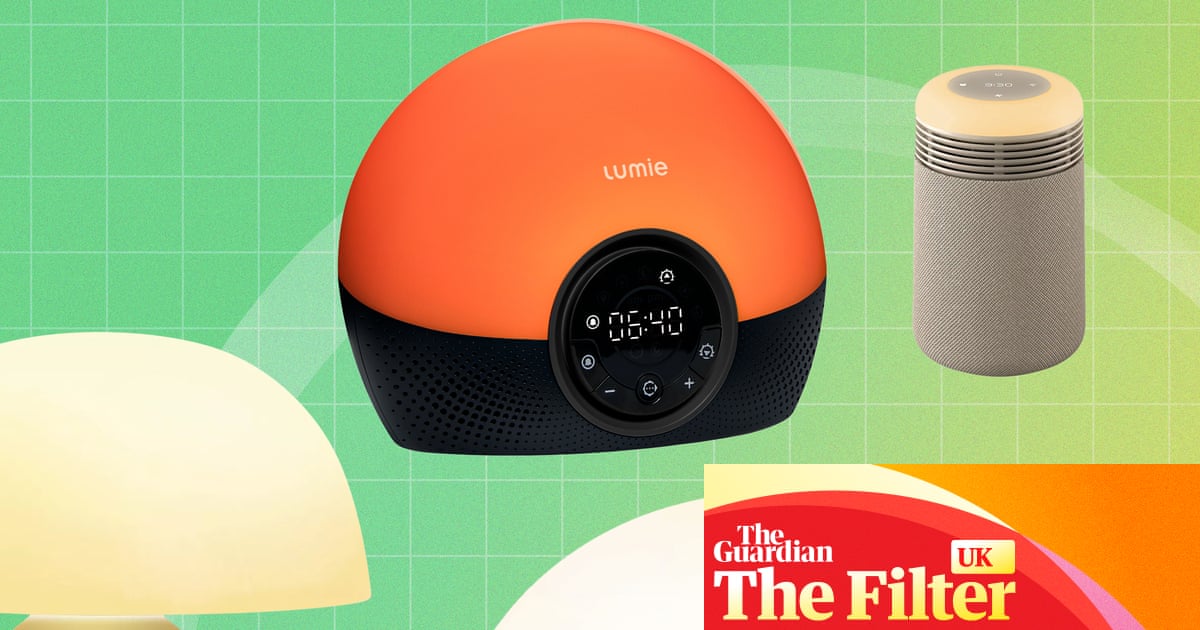
The best sunrise alarm clocks in the UK, tried and tested for gentler mornings
Our reviewer sheds some light on the best dawn simulation alarms, from Lumie and Philips to Dreamegg
To wake each day in darkness is a plight you wouldn’t wish on your worst enemy, yet that’s what many of us do routinely throughout winter. Getting up in the dark decouples our life from our circadian rhythm (our body clock), with bodily processes such as cognition and metabolism put to work before they’re fully prepped.
Thank heavens, then, for sunrise alarm clocks. These “dawn simulation” devices glow with gradually intensifying brightness as your wake-up time approaches, kickstarting your circadian rhythm before you get out of bed. For many users, this results in a happier, healthier start to the day.
Sunrise alarm clocks can differ vastly – for instance, only some are bright enough to be medically certified as light-therapy devices for Sad (seasonal affective disorder) and other disorders. We’ve indicated the two alarms that have this certification in their specs below.
I tested 10 wake-up lights from Lumie, Beurer, Philips, Dreamegg, Blueair and Lexon to find out which would make the most difference to my mornings, and these are the eight I recommend. As a lifelong reluctant riser, I’ve found the experience of testing these devices a gamechanger – in fact, I’m now using one daily. Perhaps mornings aren’t so bad, after all …
At a glance
- Best sunrise alarm clock overall
LumieBodyclock Glow 150£118.96 at Amazon - Best budget sunrise alarm
LumieSunrise Alarm£39.99 at Amazon - Best sunrise alarm clock for heavy sleepers
LumieBodyclock Spark 100£98.46 at Healf - Best sunrise alarm for late-night reading
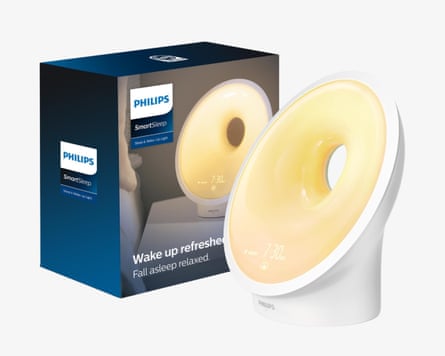
PhilipsSmartSleep£181.99 at Amazon - Best mini sunrise alarm clock
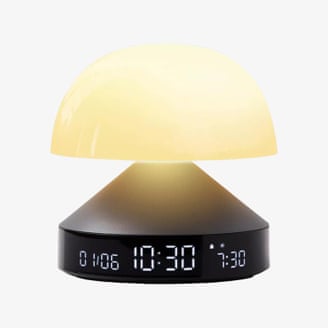
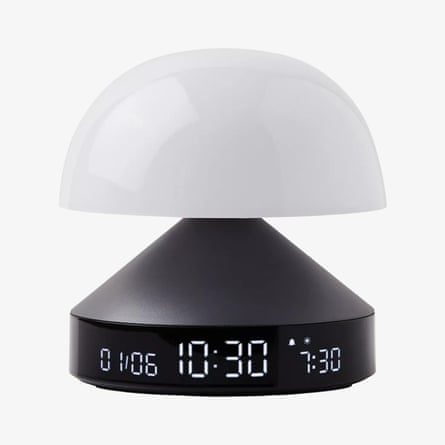
LexonMina Sunrise£79.90 at John Lewis - Best sunrise alarm clock for couples
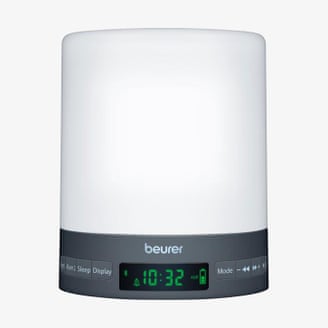
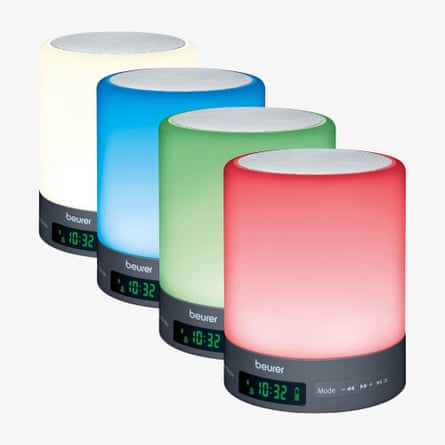
BeurerWake-up Light WL50£57.56 at John Lewis
Why you should trust me
Mornings, eh? I’ve often felt lousy first thing, after waking up to a minutes-long medley of smartphone alarms.
When, at last, I drag myself out of bed, I frequently spend the day reviewing all kinds of gadgets, from Sad lamps to electric heaters. It’s a freelance job I’ve been privileged to do since 2017 – and as we tumbled dimly into 2025, the Filter gave me one of my most quietly life-improving assignments yet: reviewing sunrise alarm clocks. I tested three additional models in winter 2025/26, and one of these has emerged as my favourite of all.
The extent to which these gadgets have improved my mornings has surprised me – although it was greater in some cases than others. Frankly, I’d like other groggy wakers to feel the same benefit, and my reviews are written and ranked with this in mind.
Some brands did not want the sunrise alarm clocks I sourced for testing back, so those will be donated for fundraising to Cat Action Trust 1977, a small national charity dedicated to the welfare of feral cats.
How I tested
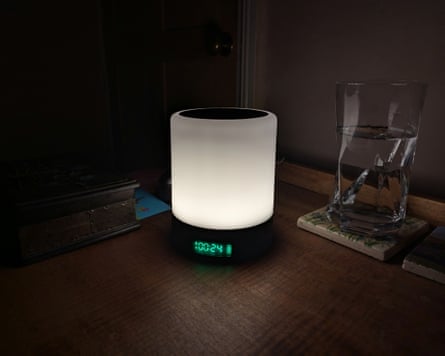
The only proper way to test a sunrise alarm clock is by using it to wake up each morning – so that’s what I did.
I used each model for at least two nights, testing out multiple light and alarm sound settings, and assessing the quality of wake-up for each device. I considered the brightness of each alarm, how close the glow felt to real sunlight, and the audio quality. Above all, I reflected on how lively and refreshed I felt after waking up with each one.
Many sunrise alarm clocks also have a sundown function, so I used this where available too. I also tried using each sunrise alarm clock as a reading light, to help me finish the day – as well as start it – smartphone-free.
Some sunrise alarm clocks go even further, with additional features such as app operability, multiple alarm profiles and mood lighting. To ensure a thorough review of each sunrise alarm clock, I played around with every possible customisation option and functionality.
The best sunrise alarm clocks in 2026
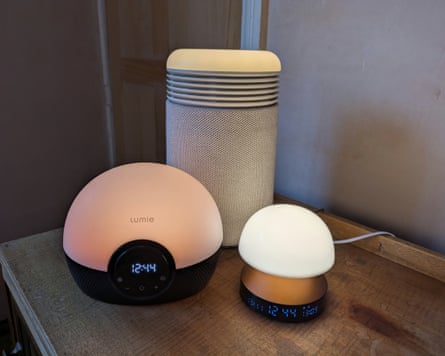
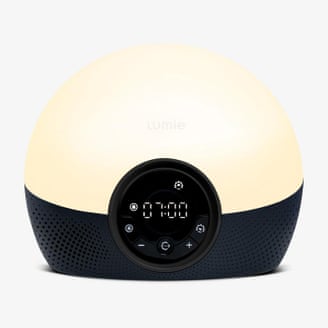
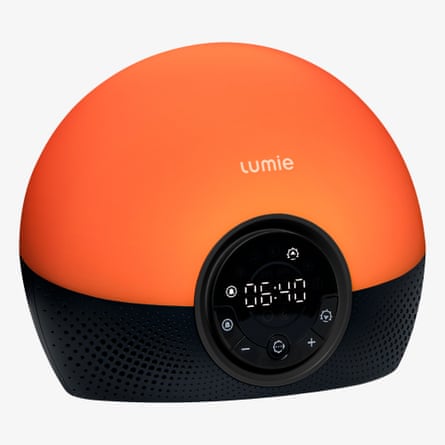
Read our full Lumie Bodyclock Glow 150 sunrise alarm clock review
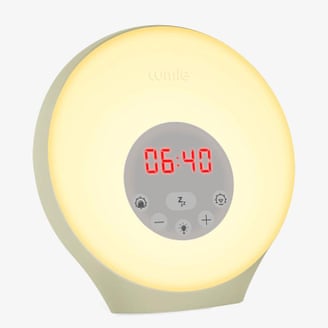
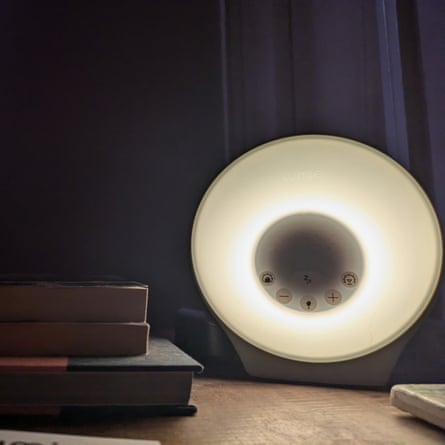
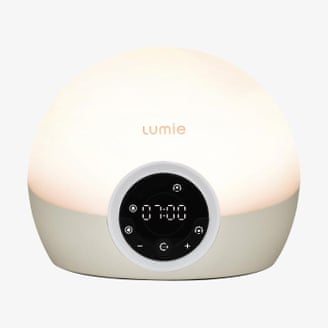
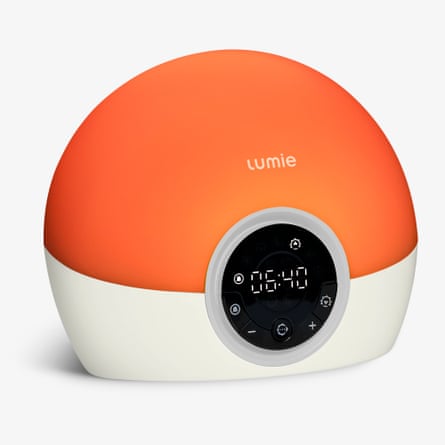
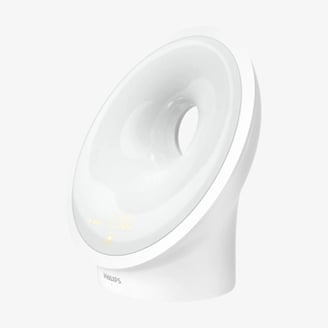
The best of the rest
What you need to know
Are sunrise alarm clocks a fad?
A cursory glance at Google Trends search data – or perhaps at your chosen social media platform – will tell you that interest in sunrise alarm clocks has grown sharply in recent years. You may wonder: is this overdue recognition for a useful technology, or is it a murkier wellness trend to file alongside mouth taping and stuffing onion slices into socks?
While there hasn’t been a great deal of academic research into sunrise alarm clocks, some studies suggest they may benefit our sleep health. For instance, researchers from Ohio University found that trial participants had significantly better sleep scores and lower perceived stress and burnout after spending two weeks waking with a sunrise alarm clock while also avoiding smartphone use in bed.
The ultimate test of whether sunrise alarm clocks are a fad will be time. I’m still using mine, as I approach a third winter.
Do sunrise alarm clocks help with Sad?
Sad bright-light therapy involves the use of intense light (in the region of 10,000 lux) to mimic the effects of bright sunlight. Sunrise alarm clocks tend to be far less bright than the average Sad lamp. With that said, light exposure around dawn and in the early morning can influence our circadian rhythms, so even a relatively dim sunrise alarm may still have benefits.
If you’ve been diagnosed with seasonal affective disorder and are looking for a light-therapy device, it’s best to ask your GP which product to use and how to get the most benefit. Sunrise alarm clocks that are classified as medical devices (indicated in the specs each product above) are more likely to suit users seeking a therapeutic effect than models with no medical certifications.
Why does it benefit us to wake with the sun?
Getting up in the dark can feel awful, which makes a lot of sense because light helps our bodies wake up properly.
Humans are diurnal, which means we’ve evolved to be more wakeful, energetic and capable of chasing mammoths over vast distances during daytime. When the brain recognises increasing light at dawn, it sends signals around other regions of the brain and to other organs to calibrate bodily processes including temperature regulation, hormone secretion and metabolism. And when darkness falls, the brain prepares us for sleep – a helpful effect that many of us compromise by looking at bright smartphone or laptop screens.
These processes follow roughly 24-hour cycles known as our circadian rhythms. The term is derived from the Latin words circa (approximately) and diem (day), meaning around a day.
So, the sun is the original and best alarm clock – activating our minds and bodies with light, rather than startling us awake with sound. Think of your sunrise alarm as a plucky stand-in to rely upon during the star’s shorter winter shifts.
Do sunrise alarm clocks work for heavy sleepers?
Some users find the light from their sunrise alarm clock more rousing than others do. If you’re a heavy sleeper, there’s a heightened chance that the artificial sunrise will not wake you (although it might still help you feel more alert on waking).
How you configure your sunrise alarm clock makes a difference. We all sleep more deeply during certain periods of our sleep cycle – and this includes particularly heavy sleepers. So, by setting your sunrise alarm clock to do a relatively long dawn simulation cycle (30 minutes is an option on several models), you give the gradually increasing light more time to rouse you. You’ll often have a choice between multiple light intensity settings, too, so select the brightest one available.
If you’re worried about waking up on time, all of the sunrise alarm clocks featured in this guide can conclude their sunrise cycle with an audio alarm tone. So, they could serve perfectly well as a wake-up alarm, even if they don’t successfully start rousing you before the beep. To be on the safe side, I’d recommend choosing a louder model, such as the Lumie Bodyclock Spark 100.
For more:
The best mattresses to help you sleep better
How to create the perfect bed: seven things our sleep expert swears by
The best sleep aids: 13 of the most-hyped remedies
Pete Wise is a journalist with more than a decade’s experience covering everything from global development and social causes to technology and music. He has written extensively on sleep-related topics, including Sad lamps, intermittent fasting, and the effects of caffeine consumption on sleep. Having felt better than ever in the mornings while researching this article, Pete is now a daily user of sunrise alarm clocks
This article was amended on 29 January 2025 to remove a sentence that incorrectly said the Lumie Sunrise Alarm has UK MDR 2002 and EU MDR 2017/745 certification.
Originally published by theguardian.com. Syndicated material does not necessarily reflect the views of Vogue British.